The first time I treated a patient’s masseter muscles with botox, she did not care about her jawline at all. She was exhausted from clenching, waking up with pounding headaches, and feeling a deep ache around her ears every afternoon. Three months later, she came back with less pain, fewer headaches, and a side comment: “My face looks slimmer in photos. Is that from the injections?”
That mix of relief and refinement captures what well planned masseter botox can do. It is not just a cosmetic trick for jaw slimming. When used correctly, it can calm overactive chewing muscles, protect teeth from grinding, and ease symptoms of TMJ dysfunction, while at the same time softening a heavy lower face.
This treatment sits at the intersection of aesthetics and functional medicine, which is why it requires careful planning, realistic expectations, and a very precise hand.
How the Masseter Shapes Your Jaw and Your Symptoms
The masseter is one of the strongest muscles in the body relative to its size. You can feel it by placing your fingers over the side of your jaw and clenching your teeth. It runs from the cheekbone down to the lower jaw, and its main job is to close the mouth and crush food.
In some people, this muscle is naturally bulky. In others, clenching and grinding over years cause it to grow, just like a bicep grows from repeated heavy lifting. The result can be a square, widened lower face that looks strong but sometimes disproportionate, especially in profile or three quarter view.
Functionally, that same overactivity can contribute to TMJ pain, tension headaches, and dental damage. When someone complains of:
- tightness or fatigue in the jaw muscles pain in front of the ears when chewing or yawning clicking or popping in the temporomandibular joint chronic teeth grinding, especially at night
I start thinking about both the joint and the muscles around it, particularly the masseter and sometimes the temporalis.
Botox works here by weakening the muscle just enough to reduce its power. Over time, less workload and less tension can reduce pain and gradually slim the jaw.
When Botox for Masseter Reduction Is a Good Idea
Not every strong jawline needs botox for masseter reduction. Some people have wider jaws because of bone structure, fat distribution, or genetics that live entirely in the skeleton, not the muscle.
I usually consider masseter botox when several factors line up. The person often reports clenching or grinding, either during the day when stressed or at night, confirmed by bed partners hearing grinding noises or dentists seeing worn enamel and small fractures. On examination, the masseter feels thick and bulky when the patient clenches. In slimmer faces, you may see the muscle bulge out near the angle of the jaw. The person may also feel that their face has become more square over the past few years rather than always having been that shape.
Someone whose jawline has always been wide and who has no symptoms of clenching might be better served by other forms of facial contouring, such as fillers in the midface, chin or jawline, or even surgical options. In those cases, botox for facial slimming would not significantly change bone width, so expectations need to match anatomy.
Masseter reduction with botox is especially popular in people who want a softer, more V shaped face without surgery. I see this frequently in women who feel their features are “too strong” on camera, and in men who want a little contouring but still want to keep a masculine edge.
TMJ Pain, Teeth Grinding, and Where Botox Helps
It is important to be clear about terms. “TMJ” refers to the temporomandibular joint itself. Many people say “TMJ” when they really mean pain or dysfunction related to that joint and the surrounding muscles. Botox does not fix joint damage or misalignment, but it can reduce the muscle forces that irritate the joint.
Patients who benefit from botox for TMJ pain typically describe a pattern of aching in the jaw muscles, temple area, or side of the head. They may already use a night guard for teeth grinding and still feel sore. Dentists often notice cracked fillings, flattened chewing surfaces, and gum recession. In those cases, using botox for teeth grinding can reduce the intensity of clenching, giving the joint and teeth a break.
The key point is that botox for TMJ pain works by addressing the muscle component. If someone has a structural issue such as a dislocated disc inside the joint or significant arthritis, they may still need oral appliances, physical therapy, or in some cases surgical evaluation. I often coordinate with dentists, orthodontists, or TMJ specialists, because long term control of grinding and clenching is usually a team effort.
What Actually Happens During Treatment
The process begins long before the needle touches the skin. A proper botox consultation process for the jaw involves a detailed history, dental background, headache patterns, previous treatments, and a physical exam.
I ask about:
- day versus night clenching headaches, neck pain, or shoulder tension history of migraines or tension headaches clicking, locking, or limited mouth opening other areas of concern, such as forehead wrinkles or crow’s feet, if we are planning a combined treatment
On exam, I compare both sides of the face. Facial asymmetry is common, and I often use botox for asymmetry correction by dosing the larger, more active masseter slightly higher. I palpate the muscle with the patient clenching, map its borders, and mark safe zones, staying clear of nerves and structures that control smiling.
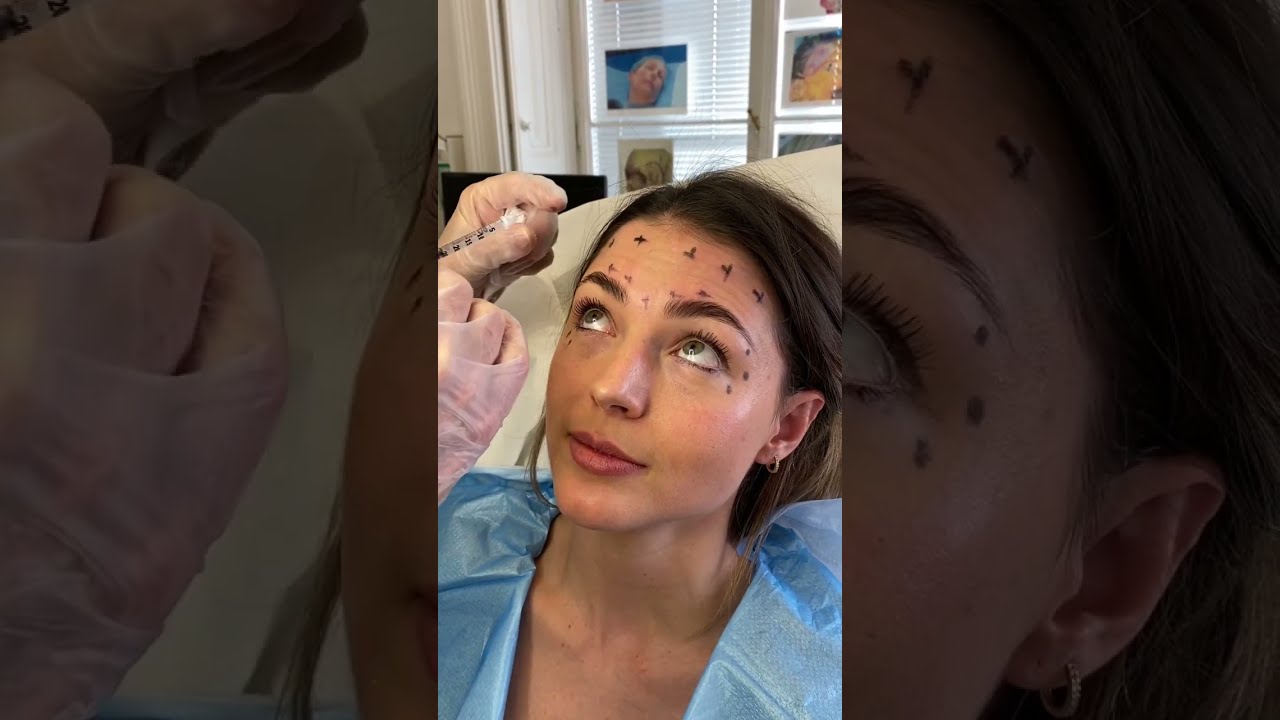
For the actual injections, the experience is brief. A fine needle deposits tiny amounts of botox into different points of the masseter. Most people rate the discomfort as mild. If someone is anxious or coming in for first time botox, I sometimes apply a topical numbing cream or use ice to make it easier, but many do not need it.
The appointment, including consultation and consent, usually takes 30 to 40 minutes. The injections themselves often take less than 5 minutes.
How Many Units, How It Is Calculated, and How Often
People are understandably curious about dosing. They read about “baby botox treatment”, “micro botox facial”, and see numbers thrown around on social media. The reality is that botox units explained in a generic chart rarely capture the nuance of jaw treatments.
For masseter reduction, doses are typically higher than what you would see for botox for forehead wrinkles or botox for crow’s feet. A light cosmetic treatment of the forehead might be 8 to 16 units. A typical starting dose for each masseter is often in the range of 20 to 30 units per side, sometimes more for very strong muscles, sometimes less for smaller faces or cautious first treatments.
Experienced injectors think in terms of:
- muscle size and strength facial width and desired degree of slimming functional symptoms like grinding severity prior treatments and how long they lasted
People often ask how long botox lasts in the jaw. Compared with smaller muscles, the masseter tends to hold results for longer, often in the range of 4 to 6 months, sometimes up to 7 or 8 months after several rounds. For TMJ pain, many patients repeat treatment 2 or 3 times a year, depending on their budget, lifestyle, and symptom patterns.
Regarding how often you should get botox, my general approach is to let as much function return as is comfortable and aesthetically acceptable, then retreat. If we over treat too frequently, there is a small but real risk of muscle over thinning or functional weakness.
When Results Appear and How They Evolve
The timeline for botox results is different in the jaw compared with the upper face.
For symptom relief, such as reduced clenching and pain, patients usually start to feel a difference after about 5 to 7 days. It continues to build for 2 weeks. The muscle feels less powerful. People often report waking with a lighter jaw, fewer headaches, or less urge to “bite down” during the day.
For visible jaw slimming, the process is slower. The first change comes from relaxed muscle tone, which may become noticeable within 3 to 4 weeks. True masseter reduction, where the muscle actually atrophies a bit from lack of overuse, unfolds over 6 to 12 weeks. This is why early botox before and after results can look subtle, with more obvious contour changes at the 2 to 3 month mark.
I encourage patients to take their own photos in consistent lighting and head position, front on and three quarter view. Many underestimate the change until they compare those images at 8 to 12 weeks.
When botox starts wearing off, people notice clenching gradually returning first, often before they see any visible widening of the jaw again. Those early wearing off signs provide a useful cue for planning a botox maintenance plan.
Balancing Aesthetics and Function
One concern I hear is, “Will I still be able to chew?” Properly dosed masseter botox does not stop you from eating a steak or chewing gum, but it does lower the maximum force you can generate. For most people, this feels like a welcome reduction in tension.
In very lean faces, especially in people who already have hollow cheeks, aggressive masseter shrinking can create an overly gaunt look or accent unwanted lines. For someone already worried about under eye wrinkles, nasolabial folds, or marionette lines, I plan jaw slimming more conservatively, sometimes combining it with subtle fillers for facial balance.
Botox for facial contouring is rarely about one area in isolation. Treating the jaw can change the way the chin and lower face look. In some cases, a bit of botox for chin dimpling or a dimpled chin, or even a gentle botox supported eyebrow lift to open hooded eyes, can tie the whole face together more harmoniously.
The best results look like a naturally proportioned face rather than a single “snatched” feature that seems disconnected from the rest.
Integrating Masseter Botox with Other Treatments
Many people come in asking for botox for fine lines and wrinkles in the same appointment, especially if they are already considering botox for frown lines, glabellar lines, or bunny lines around the nose. It is safe and common to combine jaw treatments with upper face botox in one session, provided the injector understands total dosing and facial dynamics.
For example:
- Someone might receive botox for forehead wrinkles and crow’s feet for a smoother upper face, alongside masseter injections for TMJ pain. Another person might combine botox for a lip flip or gummy smile with masseter slimming to refine both the mouth area and the jawline.
In more advanced plans, botox can collaborate with other modalities like dermal fillers, microneedling, or laser resurfacing. Careful sequencing matters. Strong resurfacing treatments, such as aggressive laser, are typically spaced apart from botox injections to reduce swelling related confusion. Other combinations, like botox with dermal fillers for midface support or along the jawline, can be performed in the same session if swelling is minimal and anatomy is clear.
Safety, Side Effects, and Realistic Risks
Botox has an extensive safety record when used correctly. Still, no treatment is risk free, and patients deserve a transparent view.
Common, mild effects include small injection site bruises, tenderness, or slight swelling that typically resolves within a few days. Some people describe a sense of chewing fatigue in the first few weeks, particularly when eating chewy foods for long periods. This usually improves as the body adjusts.
More specific to masseter treatment, there are some uncommon but important risks. Excessive weakening can alter your bite temporarily or make it harder to chew very tough food. If the injection diffuses into nearby muscles, it can slightly affect your smile alignment or create a feeling of asymmetry in movement. Skilled injectors minimize these risks by understanding detailed anatomy, using conservative volumes, and spacing injection points appropriately.
Systemic reactions or serious complications with cosmetic doses are exceedingly rare, especially compared with the volume used for botox for chronic migraines or medical spasticity treatments. Still, pregnancy, breastfeeding, certain neuromuscular disorders, and active infections at the injection site are typical reasons to avoid treatment.
Anyone considering jaw botox should feel free to ask directly about botox side effects, both typical and rare. A good provider will welcome those questions rather than dismiss them.
Aftercare: What You Can Do to Help Your Results
Post treatment instructions for masseter botox are simple but worth following. They focus on preventing unnecessary spread of the product and minimizing bruising.
A useful quick list for patients looks like this:
Stay upright for 3 to 4 hours after treatment, avoiding lying flat. Skip vigorous facial massages, dental procedures, or intense jaw exercises for at least 24 hours. Avoid heavy workouts, saunas, or very hot yoga on the same day, since heat and increased blood flow might slightly increase diffusion or bruising. Refrain from rubbing or pressing directly on the treated area. Gentle washing and makeup application are fine after a few hours. Note any unusual symptoms, such as marked difficulty chewing or changes in smile, and report them promptly.Most people return to normal routines the same day. There is essentially no formal botox recovery time, but respecting these small precautions helps ensure botox muscle targeting stays where your injector intended.
Who Is Not an Ideal Candidate
Occasionally, I advise someone not to pursue masseter botox, at least not as a first step. Reasons vary. If their pain is entirely joint related with locking or severe mechanical problems, they need a TMJ specialist before considering muscle treatments. If their jaw width is mostly bone, they will not see the cosmetic slimming they imagine and should not spend their budget hoping for a result the product cannot deliver.
People with body dysmorphic tendencies, or those chasing a heavily edited social media look, often need a slower, more thoughtful approach. Sometimes a gentle global plan using natural looking botox across several small areas, such as a touch to forehead lines, tiny doses around the eyes, and a modest amount in the jaw, works better than an aggressive single focus. The goal is to enhance, not erase individuality.
Finally, if someone has significant difficulty swallowing, certain neuromuscular conditions, or unusual sensitivity to botulinum toxin, non injectable strategies for clenching and TMJ pain become more appropriate.
Long Term Outlook: Prevention, Maintenance, and Facial Aging
One underrated benefit of treating overactive chewing muscles is preventive. Reducing intense grinding forces may help slow dental wear, protect restorations, and reduce long term stress on the TMJ. In that sense, botox for TMJ related clenching functions a bit like preventative botox does in the upper face, where early and subtle treatments can delay deep static wrinkles.
The idea of botox for long term anti aging is not to freeze expression or eliminate every wrinkle. Instead, it moderates the repeated motions that etch deep lines into the skin, whether those are glabellar frown lines, crow’s feet, or vertical neck bands in the platysma. Similarly, moderating chronic clenching can prevent your jawline from becoming more square and bulky as the years go by.
Maintenance varies. Some patients stay on a regular botox touch up timing, coming in every 4 to 6 months. Others treat more sporadically, during stressful seasons when they know clenching worsens, such as exam periods or intense work projects. The right interval depends on budget, symptom severity, and how much jaw slimming they want to maintain.
Over several treatment cycles, many people notice that their masseter muscles do not fully return to their original bulk. This is part of the muscle adaptation that happens when its workload is chronically reduced. That can be a positive, but it also means practitioners must occasionally re evaluate dosing to avoid over thinning the lower face in later years.
Choosing the Right Injector for Jaw Botox
Facial botox is not a commodity, especially when you are working near the smile and chewing muscles. Two injectors can use the same number of units and create very different outcomes.
When evaluating a provider, look for:
They have experience specifically with botox for masseter reduction, not only upper face treatments. Jaw contouring requires different skills than treating forehead wrinkles or under eye wrinkles. They can show botox before and after results of their own patients with similar facial structures, not just stock photos. They are comfortable discussing botox dosage guides, costs per unit, and why they recommend a certain number of units for you rather than applying a one size fits all package. They explain botox risks and benefits openly, including what would happen and how they would manage things if mild asymmetry or chewing fatigue occurs. They do not push additional procedures you did not ask about New York NY botox but are willing to discuss how jaw treatment might interact with existing fillers, previous jaw surgery, or other conditions.
The consultation should feel like a two way conversation. If you feel rushed or unheard at this stage, that is usually a sign to keep looking.
Bringing Relief and Refinement Together
Masseter and TMJ botox sits at a unique crossroads. On one side, you have real medical complaints - aching jaws, cracked teeth, migraines triggered by clenching, tight neck and shoulder muscles. On the other, you have Additional reading aesthetic concerns about a heavy, square jaw or lack of facial taper.
Handled with care, botox for masseter reduction and TMJ pain can address both. It can soften the lower face, support facial balance from forehead to chin, and at the same time reduce the strain you put on your teeth and joints every day. The key is thoughtful assessment, accurate dosing, and ongoing communication between you and an experienced injector.
If you are weighing whether this treatment makes sense for you, start by framing your goals clearly: pain relief, jaw slimming, or both. Bring that clarity into a detailed consultation. Ask the hard questions about safety, expectations, and alternatives. Careful planning on the front end is what allows this treatment to deliver what so many people want from it: a quieter jaw, a calmer nervous system, and a face that looks like you, just a bit more refined.